How Often Should Seniors Do Chair Yoga? A Simple Weekly Plan
If you're wondering how often to do chair yoga, the sweet spot for most seniors is three to five sessions per week. That's enough to build flexibility, ease stiffness, improve balance, and support healthy aging without turning exercise into a chore. For beginners, three days a week is a very solid starting point. If the body feels good and recovery is smooth, moving up to four or five shorter sessions often works even better.
Chair yoga is gentle, but gentle does not mean useless. Done regularly, it can help loosen tight hips, wake up the spine, improve circulation, and make everyday tasks feel less awkward. Standing up, reaching overhead, getting dressed, turning to look behind you in the car or at the dinner table. Those little movements matter. Frequency matters too. A few sessions every week will usually do more than one long class followed by six inactive days.
Start Small So Your Body Says Yes Tomorrow
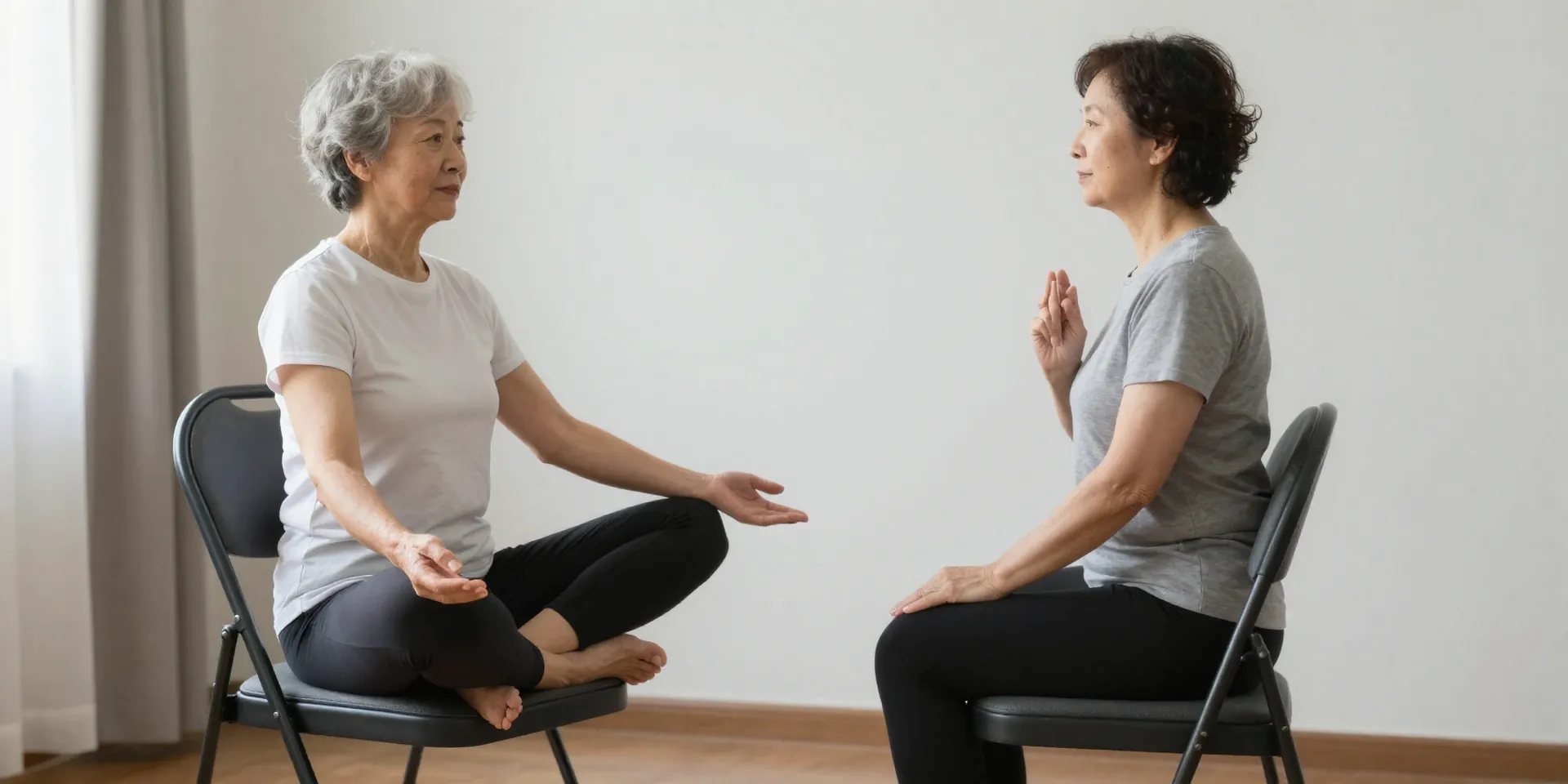
Beginners usually do better with less than they think. Ten to twenty minutes per session is plenty at first. A basic chair yoga schedule might look like Monday, Wednesday, and Friday, with each session focused on easy mobility work: neck rolls, shoulder circles, seated cat-cow, ankle rotations, gentle side bends, and a few controlled breaths. That is enough to establish the habit without leaving you sore or mentally done with it.
Here's the thing: consistency beats ambition. A senior weekly exercise plan only works if it feels realistic. If someone jumps straight into daily 40-minute sessions, they often last a week and then quit. But 15 minutes three times a week? Much easier to keep going. After two or three weeks, many seniors can add a fourth day or tack on a short extra routine after a walk. Slow progress is still progress, and with mobility work, slow is usually smarter.
A Simple Weekly Plan That Actually Fits Real Life
If you want a practical senior weekly exercise plan, use this simple rhythm. Day one: gentle mobility and breathing. Day two: rest or a short walk. Day three: chair yoga with a little more range of motion, maybe seated twists, forward folds, and arm raises. Day four: rest. Day five: another chair yoga session focused on posture, ankles, hips, and upper back. Weekend: optional short recovery flow or a pleasant walk. That's a very reasonable baseline for most beginners.
If you already move fairly well and want more, try four to five days a week, but shorten some sessions. Not every practice needs to be a “workout.” One day can be 20 minutes. Another can be 8 minutes in the morning just to loosen the back and shoulders. Another can be a balance-focused session using the chair for support. This is where people get stuck: they assume exercise only counts if it's long and dramatic. It doesn't. In fact, short, regular chair yoga often works better for seniors than occasional big efforts.
How to Tell If You Should Do More, Less, or Stay Right Where You Are
Your body will tell you a lot if you pay attention. If chair yoga leaves you feeling looser, warmer, and more comfortable for the rest of the day, you're probably in a good range. If you notice better posture, easier walking, less morning stiffness, and less fear around movement, that's another good sign. Those changes often show up before dramatic strength or flexibility gains.
On the other hand, if you're unusually tired, sore for more than a day, or your joints feel irritated rather than gently worked, back off. Do fewer repetitions, shorten the session, or drop from five days to three. Chair yoga should challenge you a little, not punish you. Mild muscle awareness is fine. Sharp pain, dizziness, numbness, or joint pain that lingers is not. Seniors with arthritis, osteoporosis, recent surgery, balance issues, or heart concerns should be especially careful with twisting, bending, and anything that changes head position too quickly. A slower pace is not a compromise. It's good judgment.
What to Include in Each Session for Better Results
A useful chair yoga session does not need to be complicated. Start with one or two minutes of easy breathing and posture. Sit tall, feet flat, shoulders relaxed. Then move into upper-body mobility: shoulder rolls, arm circles, wrist stretches, and gentle neck movement. After that, give attention to the spine and ribs with seated cat-cow, side bends, and a mild twist if comfortable. Finish with hips, knees, ankles, and a few slow marching movements to bring in circulation.
That mix works because it targets the areas that usually get cranky with age and too much sitting. Upper back stiffness, tight hips, sore ankles, poor posture, shallow breathing. A good chair yoga schedule also keeps things varied enough that the routine doesn't get stale. One day you might emphasize posture and breathing. Another day, lower-body mobility. Another, gentle core engagement and balance with the chair nearby for support. Variety helps, but don't change everything every time. Familiar movement builds confidence, especially for beginners.
The Best Schedule Is the One You’ll Still Be Doing Next Month
If you want chair yoga to support healthy aging, attach it to something that already happens every day. After breakfast. Before lunch. Right after the morning news. That tiny bit of structure matters more than people think. It removes the daily debate about when to do it. And once the routine becomes automatic, frequency stops feeling like a burden.
One more practical point: chair yoga does not have to be your only movement. It works beautifully alongside walking, light strength work, or basic balance drills. A well-rounded senior weekly exercise plan might include chair yoga three times a week, walking most days, and a couple of short strength sessions using bodyweight or light resistance. But if chair yoga is the easiest doorway into regular activity, that's a great place to begin. Three steady sessions this week beat a perfect plan that never leaves the page.